February 2026 Newsletter | Save Sunshine Shelter Kids

Our March Newsletter

Rescue • Health Care • Follow-ups • Recovery

Hello, Everyone!

Welcome to our March Newsletter. We remain committed to advocating for and rescuing as many boys as possible from life on the streets, as well as supporting those who find themselves in vulnerable and often unseen circumstances. Many of these children are victims of ghetto gang influences, which continue to have a devastating impact on a significant number of young people across Uganda.

This month’s newsletter reflects the meaningful progress made through our programs and initiatives. From education and health to everyday life within the shelter, March was marked by steady growth, resilience, and a strengthened commitment to supporting the children in our care.

March at a Glance

Reflecting on the positive changes driven by our work this month, showcasing the meaningful outcomes of our ongoing initiatives, and highlighting the difference our programs have made through our continued efforts.

60–80

Children attend street outreach

6

Children rescued and resettled

64

Children in school

6

Street youth group counseling initiative

Thank you for taking the time to read our Newsletter

Reflecting on the impact made possible through this work.
Street Kids Programs Newsletter

𝐒𝐓𝐑𝐄𝐄𝐓 𝐊𝐈𝐃𝐒 𝐏𝐑𝐎𝐆𝐑𝐀𝐌𝐒

A home away from the streets

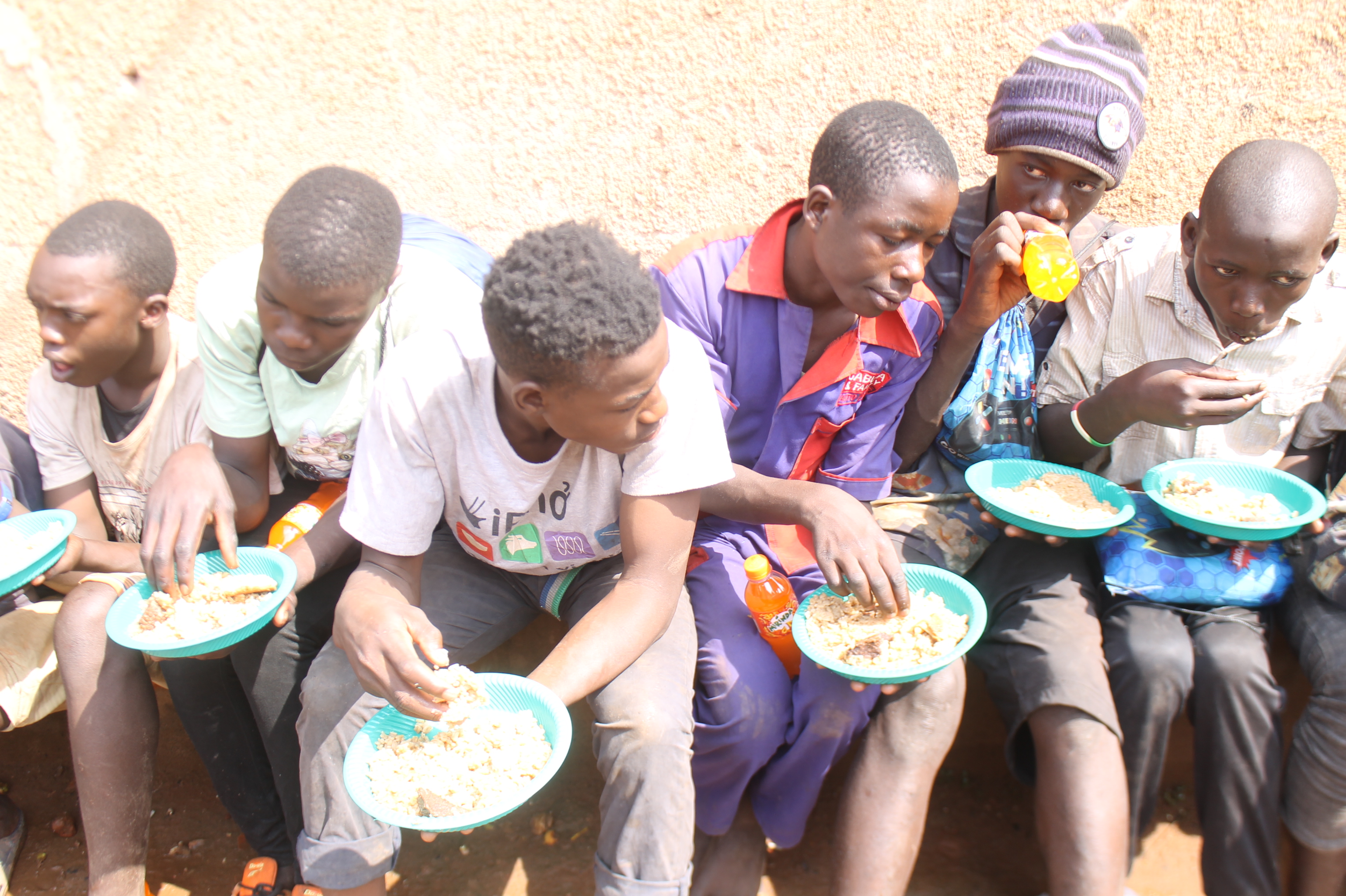
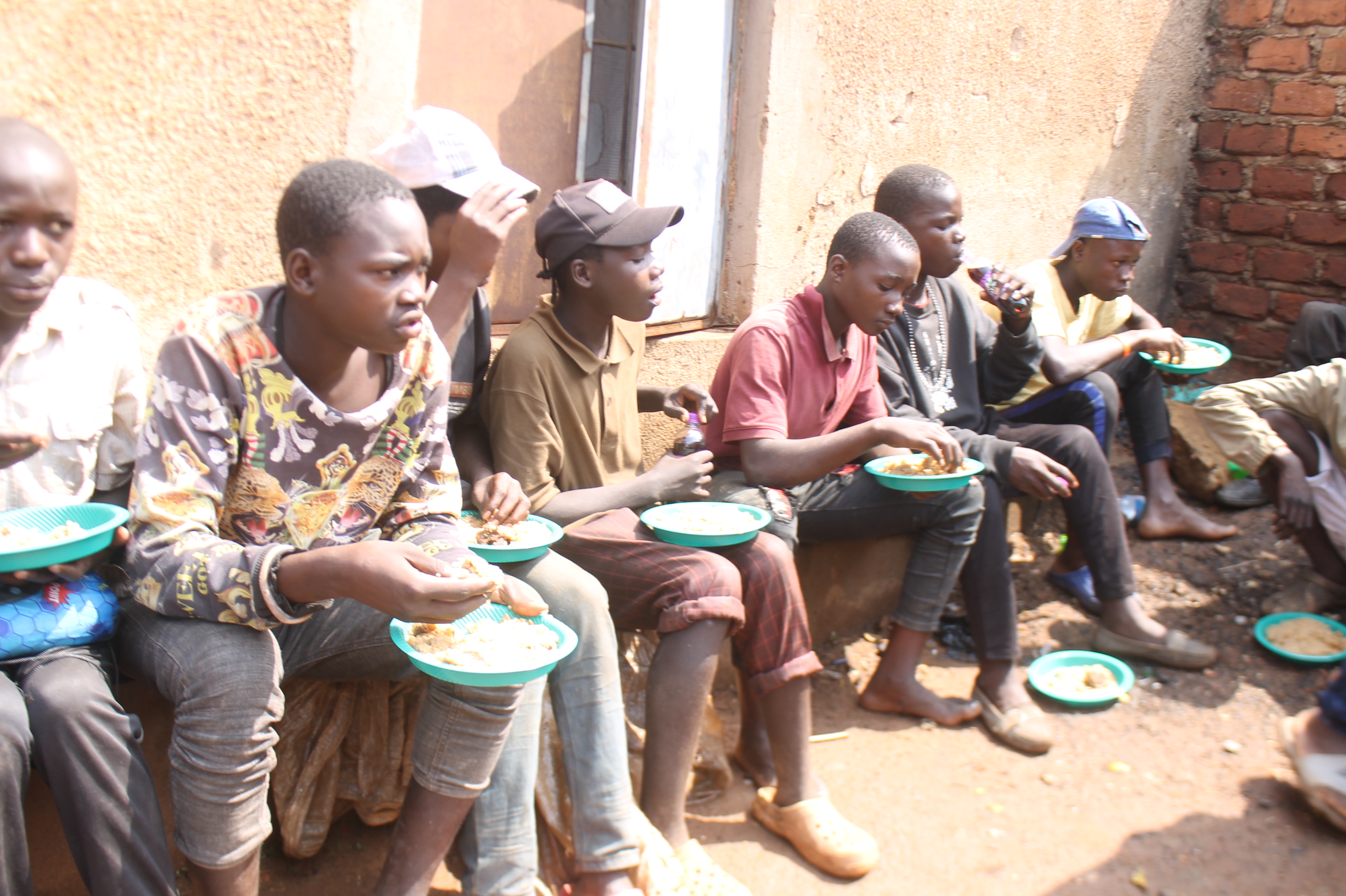
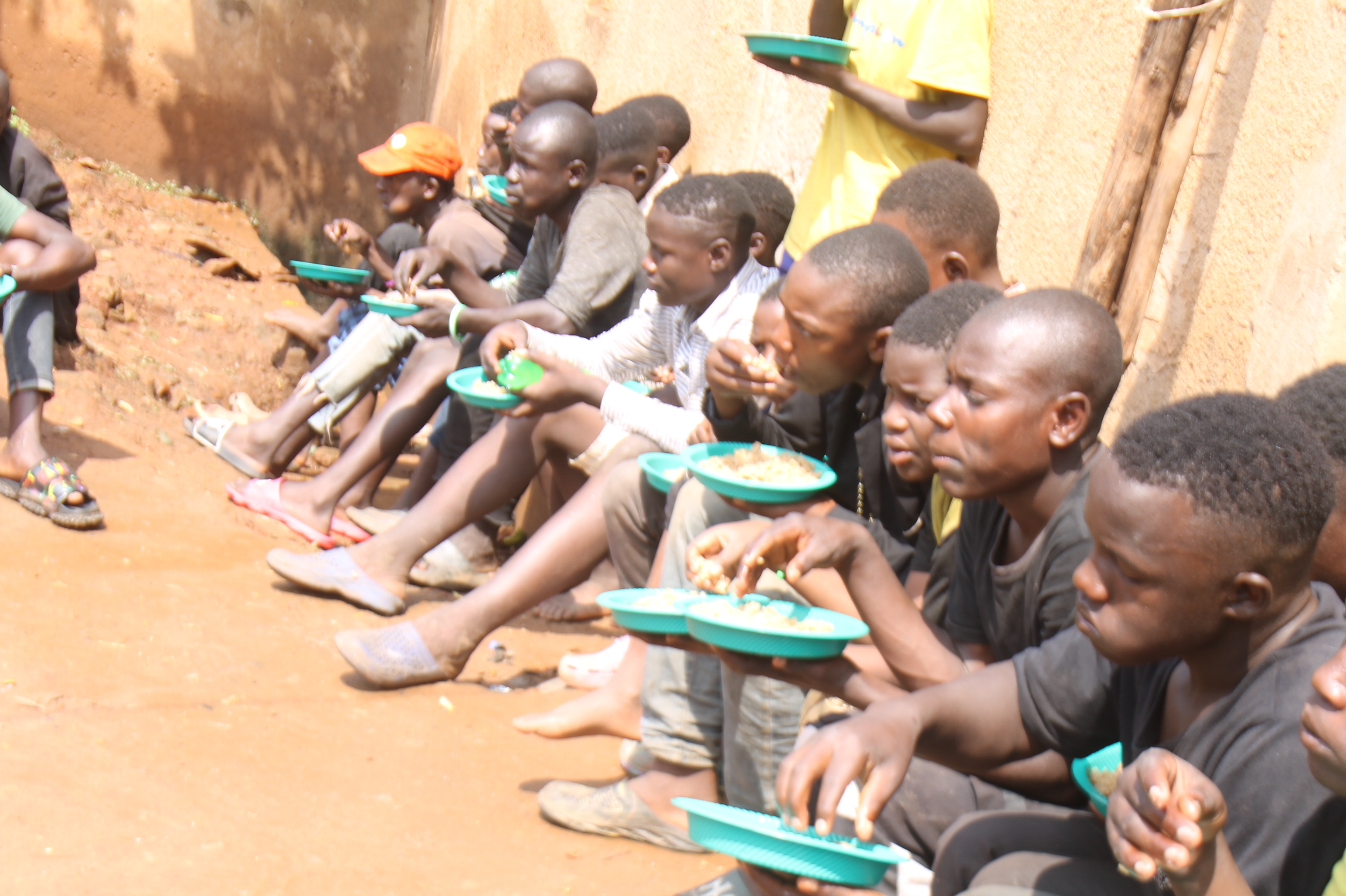
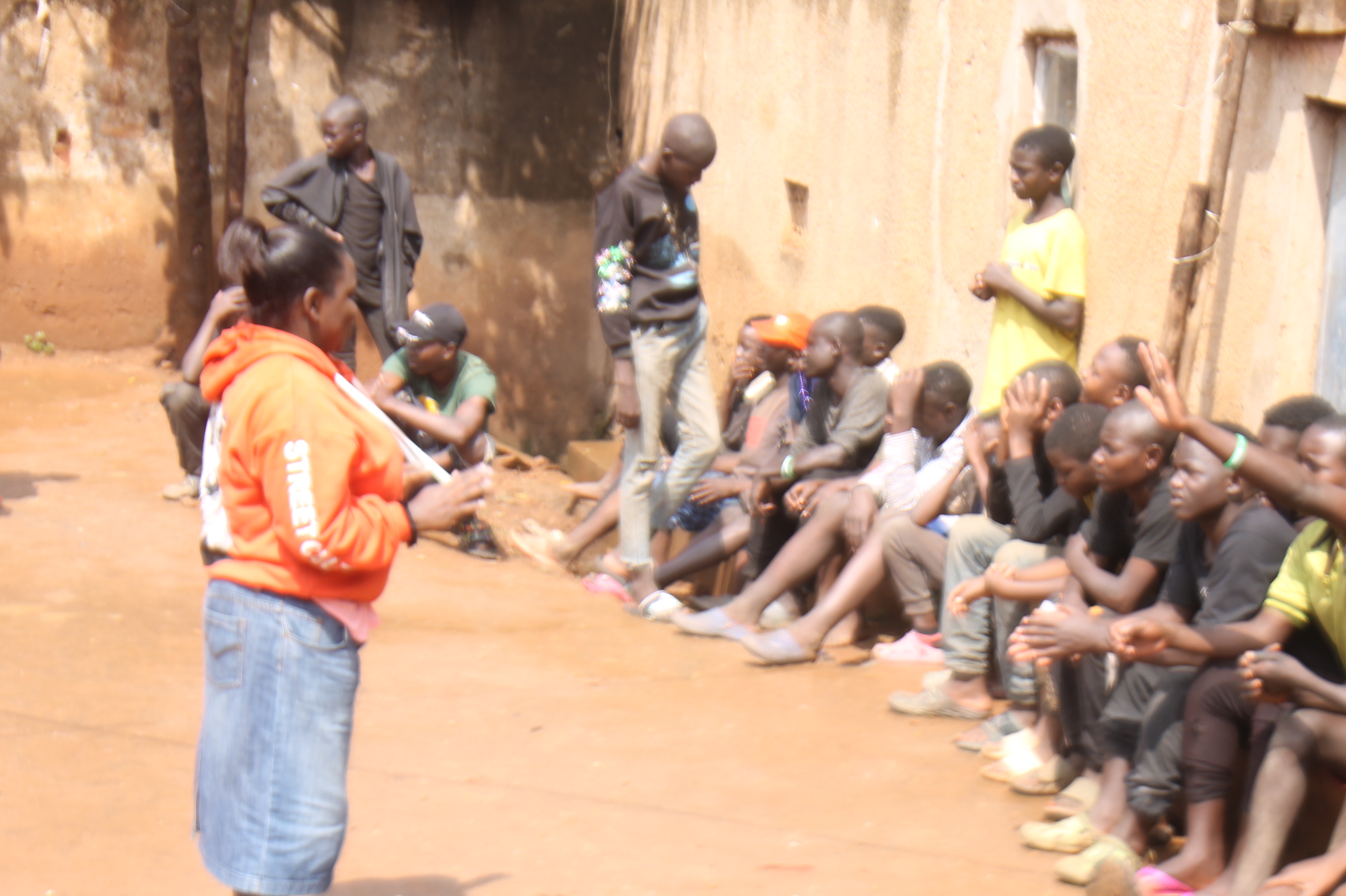
The programs are currently running smoothly, although full adherence to the timetable has been affected by recent relocations. At present, Fridays remain the only day when the schedule is strictly followed and activities are conducted as planned, recording the highest attendance of children.

Image 1

Ongoing demolition activities across the city have made it increasingly difficult to gather the children in one place. Many of their previous sleeping areas have been cleared, pushing them further into residential communities where access and movement are more restricted. This shift has also introduced transportation challenges when reaching them, and walking with the children is no longer feasible due to the risk of immediate arrest by law enforcement.

Currently, the only viable venues for programming are local cinema halls, most of which are owned by local leaders from the ruling party. This has allowed for limited but consistent engagement, with activities conducted there for approximately two days each week. Friday remains the only day when we have access to a proper building space. The use of the unfinished office building is no longer possible following an incident in which a child fell through an unsealed section, creating an ongoing safety risk given the children’s high level of movement and restlessness.

  • To manage feeding within limited timeframes, cooked food is often purchased. While this approach is efficient, it does not always fully satisfy the children. The main meals provided include katogo (cassava mixed with beans) and porridge, which remain filling and help sustain them over longer periods.

  • Morning sessions in the cinema halls typically run until 3:00 p.m., allowing for approximately six hours of structured programming. During these sessions, arrangements are also made for access to sanitation facilities, as many venues lack pit latrines. The programs this week have been particularly demanding, with children being given time to bathe, wash their clothes, and change into sacks while waiting for their clothing to dry. On rainy days, bathing is still possible, but washing clothes becomes difficult.

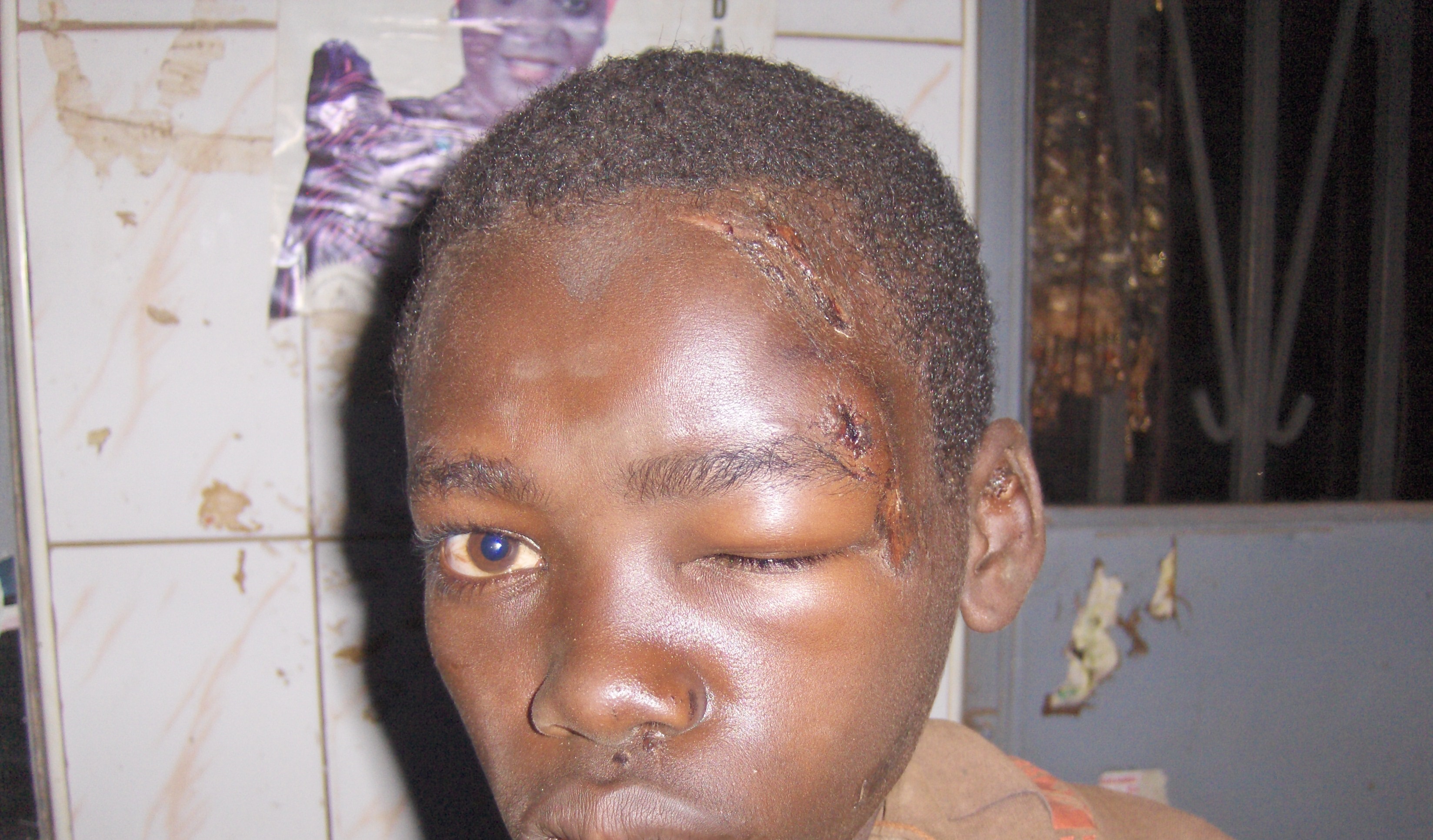
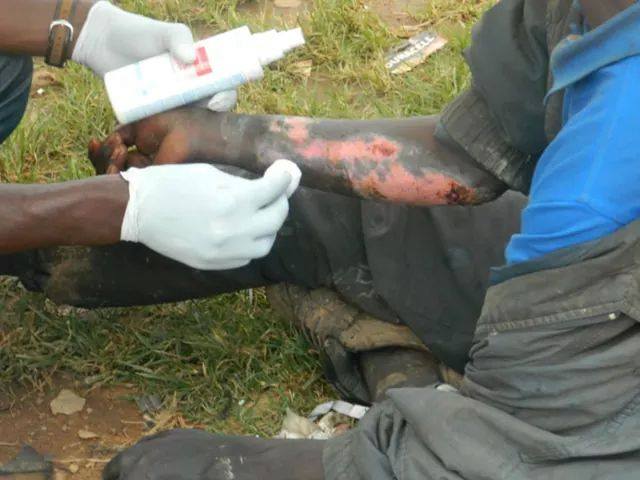
  • The most common health challenges currently include flu, malaria, stomach aches, and ear infections. One boy with an infected leg has received treatment and is currently staying with his cousin as we continue to monitor his recovery. A follow-up visit is scheduled for next week, with further medical details already included in the health program report.
  • A significant challenge in addressing medical emergencies is the frequent lack of immediate funds when urgent care is required. Many cases also require treatment from larger hospitals rather than the smaller clinics available within the ghettos, which further complicates timely intervention.

  • This week also recorded one arrest during the street program. A boy who regularly attends sessions had taken metallic materials from a nearby location and was tracked and arrested during program time. The situation created significant disruption, as police often detain other boys indiscriminately, particularly those who match certain physical profiles. A follow-up was conducted the following day to trace where the materials had been sold, and efforts were made to resolve the matter. However, such interventions carry risks, as individuals who purchase stolen items may perceive involvement with law enforcement.

  • There were also two court hearings involving street boys previously arrested during political campaign periods. Street-connected children are often wrongly perceived as politically affiliated, making them more vulnerable to arrest and prolonged detention. One boy, Ivan, has been in custody for nearly one and a half years, while another has remained in detention for two years. In many cases, the boys do not fully respond to guidance until they experience serious consequences.

HEALTH CRISIS:The most common health challenges currently include flu, malaria, stomach aches, and ear infections. One boy with an infected leg has received treatment and is currently staying with his cousin as we continue to monitor his recovery. A follow-up visit is scheduled for next week, with further medical details already included in the health program report.

A significant challenge in addressing medical emergencies is the frequent lack of immediate funds when urgent care is required. Many cases also require treatment from larger hospitals rather than the smaller clinics available within the ghettos, which further complicates timely intervention.

ARRESTS & DETENTION:This week also recorded one arrest during the street program. A boy who regularly attends sessions had taken metallic materials from a nearby location and was tracked and arrested during program time. The situation created significant disruption, as police often detain other boys indiscriminately, particularly those who match certain physical profiles. A follow-up was conducted the following day to trace where the materials had been sold, and efforts were made to resolve the matter. However, such interventions carry risks, as individuals who purchase stolen items may perceive involvement with law enforcement.

REINTEGRATION SHIFT: An emerging concern also involves individuals bringing young boys from rural areas to the city for informal work such as selling eggs or washing motorcycles. Many of these children are unable to be adequately supported, resulting in further vulnerability. However, most are willing to return home when given the opportunity. To reduce transportation costs, some children have been sent back on buses with contact details attached and passed through drivers. This approach has proven effective, with eight boys successfully returning home, while two chose to return to the streets due to fear of consequences related to past actions. Efforts are ongoing, including coordination between Kampala and Kiboga police to address these cases appropriately.

Overall, the street programs are functioning relatively well despite ongoing challenges. However, recent heavy rains have made operations more difficult, particularly in relation to food access. Many small roadside food vendors, often operating from iron-sheet structures, have been demolished across Kampala, further limiting available options. Conditions within the cinema halls also remain demanding, and alternative spaces such as nearby open fields are being explored for use on less busy days.

These developments continue to present challenges for families, especially single mothers who remain the primary breadwinners in many households. At the same time, they have created an unexpected opportunity for resettlement, as many street children are beginning to recognize the urgency of returning home due to increased enforcement measures, which may lead to more successful reintegration cases in the near future.

Education Report

𝐄𝐃𝐔𝐂𝐀𝐓𝐈𝐎𝐍 𝐏𝐑𝐎𝐆𝐑𝐀𝐌𝐒

Overview

We are truly filled with immense joy and excitement that all our children were successfully enrolled for this term at different intervals. It is deeply encouraging to see each of them progressing well at their own pace. We extend our heartfelt gratitude to the schools that warmly welcomed both our boys and girls with such understanding and compassion, especially considering their challenges after spending prolonged periods out of school due to life on the streets.

We are delighted to witness a remarkable and meaningful improvement in the performance of many of the children particularly those who only needed a small opportunity to regain their academic footing. Others continue to make steady progress with the guidance and support they so greatly need.

A picture of some our children who enrolled this term after being rescued

Academic Performance

Overall, the children performed well in their midterm examinations. Most achieved very good results, showing strong academic progress., However, the Grade Two boys faced challenges in reading and writing. Despite considerations to move them to Grade One, they remained in Grade Two due to their age and physical development, with plans to improve through extra study during the holidays. Candidates in boarding schools are benefiting from a focused learning environment, which supports their academic progress.

Challenges

This term was marked by several challenges that affected both planning and the children’s learning. The late start for most learners required prioritizing those in candidate classes, university, and vocational training, which placed pressure on limited resources. Additionally, the transfer of some children to new schools created unexpected demands such as uniforms and other requirements, disrupting the original plans. Although some schools allowed flexibility with these requirements, the transition still caused strain and required quick adjustments to ensure all children could continue studying.

Financial pressures remained a major concern, as multiple needs such as school fees, examination registration, and boarding requirements arose at the same time. Outstanding school fees continued to complicate planning since they must often be cleared before addressing new obligations. Limited visitations to boarding schools due to these constraints also affected the level of support given to the children. On the academic side, some younger learners are still struggling with basic reading and writing skills, requiring extra attention to help them improve.

Financial Summary

School Fees: Increased due to school changes

Uniform Costs: Deferred in some schools

Budget Impact: Required urgent adjustments and planning

Total Amount Paid for All Children $5,220
Total Outstanding Amount Required $2,650

Outstanding Financial Demand

Primary Schools:

- Primary School 1: $1000

- Primary School 2: $300

- Primary School 3: $300

Secondary Schools:

- Secondary School 1: $700

- Secondary School 2: $350

Conclusion

Despite numerous setbacks, including school transfers, increased costs, and financial limitations, this term showed progress in managing school fees and maintaining children’s education. Academic performance was largely positive, and efforts are being made to address learning gaps and improve planning for future uncertainties. Continued financial support and strategic planning will be essential to fully clear outstanding balances and ensure stability in the next term.

Rehabilitation Section
𝐑𝐄𝐇𝐀𝐁𝐈𝐋𝐈𝐓𝐀𝐓𝐈𝐎𝐍 𝐏𝐑𝐎𝐆𝐑𝐀𝐌𝐒
Sheltering

𝐇𝐄𝐀𝐋𝐓𝐇 𝐂𝐀𝐑𝐄

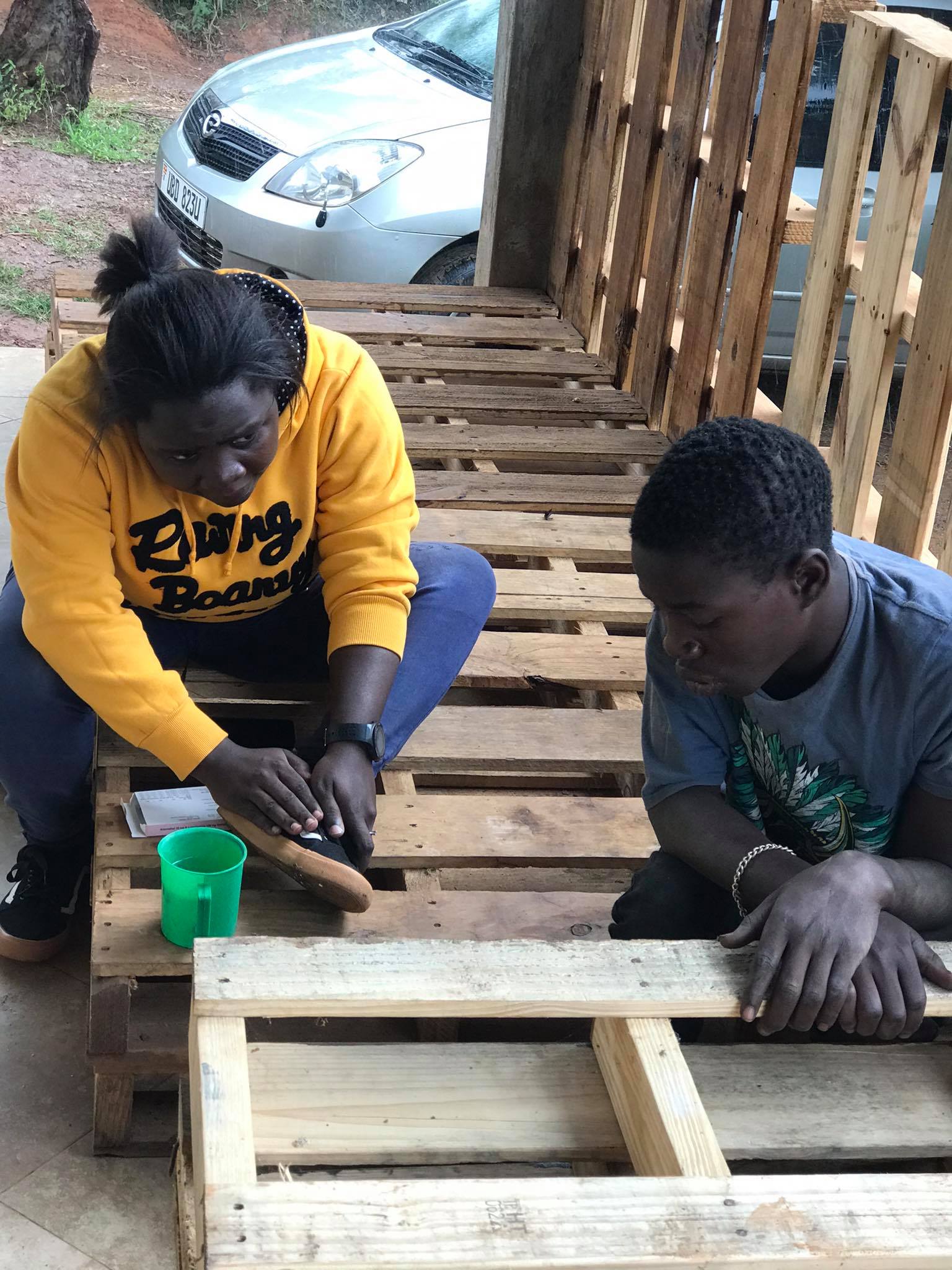
This month saw a significant rise in medical cases among the children. More than six were sent home on three separate occasions after the school’s first aid measures proved insufficient. While one group recovered, another soon fell ill with similar symptoms,primarily malaria, cough, and flu. Some children required up to a week and a half to fully regain their strength before returning to school.

These developments led to a sharp increase in medical expenses, as each child required professional care, medication, and transportation to health facilities.

On a positive note, the boys who require monthly medication refills received their prescriptions and continue to make steady progress. However, concerns arose regarding medications recently supplied for free, as many were near or past their expiration dates. Although doctors advised they were safe, we chose to purchase alternative medication for Enock, Suzan, and Ibra.

In addition, recent street outreach efforts identified two complex medical cases requiring urgent attention, alongside several others with similar conditions.

Health Care Health Care

𝐑𝐄𝐒𝐄𝐓𝐓𝐋𝐄𝐌𝐄𝐍𝐓 𝐀𝐍𝐃 𝐅𝐎𝐋𝐋𝐎𝐖 𝐔𝐏𝐒

There is no place better than home, and reuniting children with their families remains a core priority of our programs. This process continues to be central to our work, even though it comes with ongoing challenges that require patience, consistency, and collaboration.

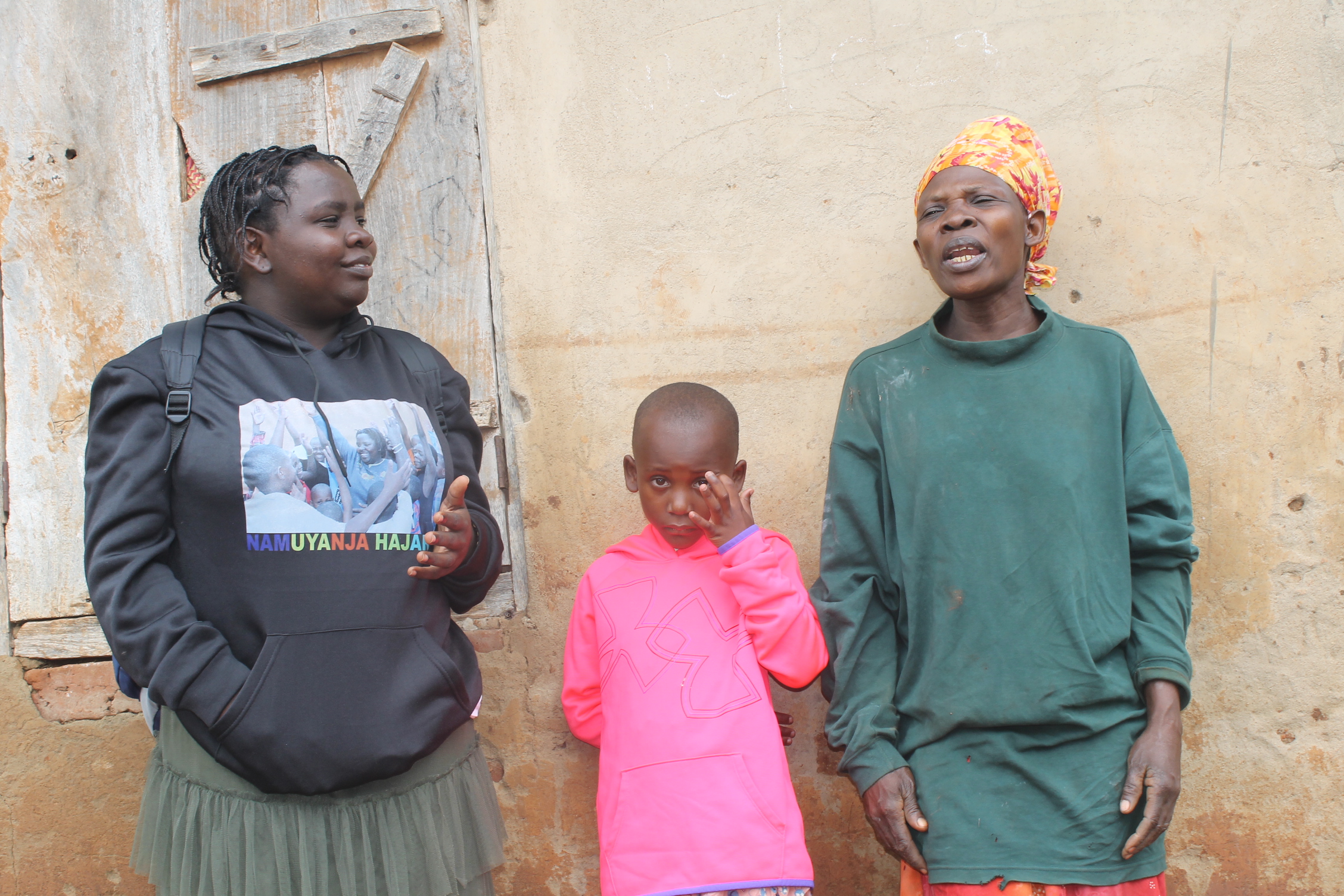
We are deeply grateful to the parents and guardians who remain actively involved in their children’s lives after resettlement and during follow-up visits, and who continue to adapt to the behavioral challenges that may arise along the way. It is encouraging to work with families who are willing to engage positively, without stigma or regret attached to their children’s past experiences on the streets. We recognize that this work would not be possible without their participation, and we sincerely appreciate all those who attended our recent meeting to discuss the challenges and the way forward for their children. It was a meaningful and constructive engagement for everyone involved.

Image 1

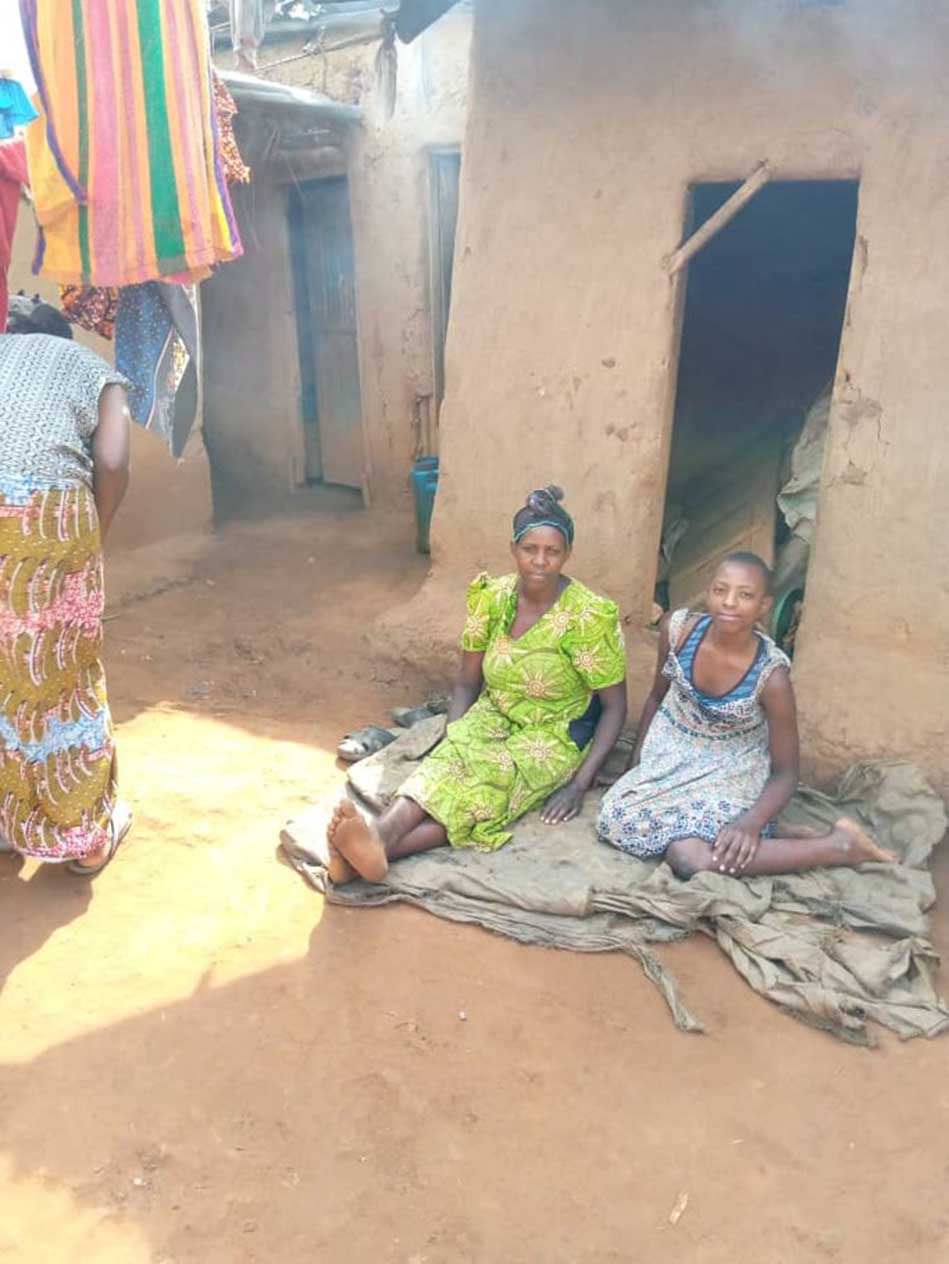
Overall, the resettled children are showing gradual progress, with the young girls generally demonstrating more stability and responsiveness compared to some of the boys. These differences are largely influenced by their earlier street environments and the various influences they were exposed to before and after rescue

School performance is steadily improving, although many of the children are still working to catch up due to learning gaps caused by time spent out of school. To ensure accountability and continuity, all school fees are currently paid directly to the schools rather than being handled by parents, in order to reduce the risk of funds being diverted.

Follow-up visits have remained generally positive and encouraging, with most children appearing stable overall. While challenges still exist, many of them are not directly related to critical needs such as health, safety, or education, but are instead influenced by peer pressure, particularly around clothing, footwear, and material possessions they observe among their peers. This is a natural phase for many adolescents, especially boys in this age group.

At the same time, some behavioral challenges continue to surface, which can be distressing for families. Children who have previously lived on the streets often take time to fully adjust, and certain behaviors may persist or reappear as part of their transition process. In such moments, reassurance and consistent guidance remain essential in reinforcing the message that positive change is possible and achievable.

Image 1

Behaviors such as stealing and fighting are still occasionally reported, particularly in situations involving access to money or valuable items within the home environment. These incidents can place strain on family relationships and create tension within the wider community. One of the most common concerns currently raised is theft of items such as mobile phones, either from within the household or from neighbors.

These cases often lead to difficult expectations placed on families and program staff, especially when there is an assumption that immediate answers or solutions should be available. In many instances, even when cases are reported to authorities, response and follow-up remain limited, leaving families and program staff to manage the situation collaboratively.

We continue to work closely with parents as they adjust to the renewed responsibility of caring for their resettled children and the challenges that come with reintegration. Despite the difficulties, we remain hopeful that continued collaboration, understanding, and consistent support will lead to lasting positive change and stronger family relationships for the benefit of the children.

School activities

PRAYER REQUESTS

Hope and Shelter for Street Children

We are trusting God for provision of $4,000 to establish a safe sanctuary for street children. Pray for protection, healing, and restoration for every child who enters.

Wisdom in Restoration

Pray for discernment as we guide children wishing to return. Each case requires wisdom, safety, and careful decision-making.

Faithful Stewardship

Pray for integrity and unity in managing resources and caring for the children’s well-being.

Protection of Children

Pray for safety, peace, and emotional strength for all children under our care.

Education Provision

Pray for $8,000 provision for school fees and materials so every child can thrive academically.

Sustainable Support

Pray for consistent monthly partners to sustain all centres and ensure long-term stability.