

Good morning, Everyone!
Welcome to our June newsletter. We hope June has been a wonderful month for you. It has been a meaningful month for us, filled with many small but impactful achievements in the lives of the children and across our programs as a whole. Small Steps, Big Changes. We are grateful to share with you the progress, challenges, and meaningful moments that shaped this month within our rehabilitation and education programs.
HIGHLIGHTS FROM JUNE
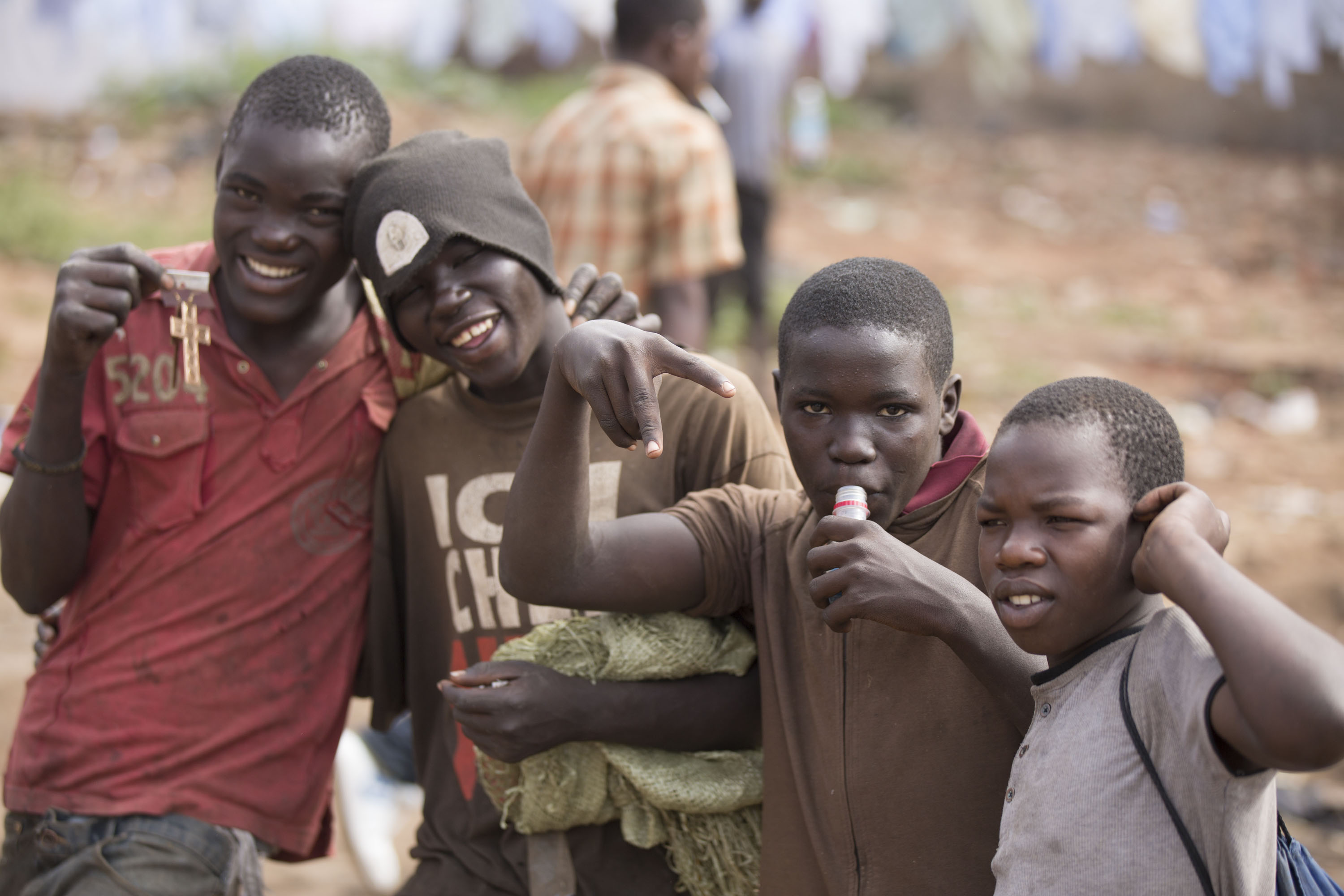
- 50–70 Children Attended street outreach
- 8 Children Rescued and resettled
- 12 Preventive interventions conducted
- 62 Children In day and boarding school
- 3 Children Rehabilitation Shelters
- 5 Sexual / Physical Cases Solved
These accomplishments would not have been possible without your support. Thank you!
LOOKING AHEAD IN JULY
- Welcoming new friends into the Save Sunshine Shelter Kids family
- Raising funds for our first ever Drop-in Center for street children
- Expanding our impact through the Far Project programs
- Working alongside our incredible community members
- Hosting and teaching interns
- State representative visits and Renewal processes
STREET CHILDREN OUTREACH PROGRAMS.
The past weeks have continued to highlight both the progress and challenges faced through our street outreach programs. The number of children attending has continued to change from day to day, but our team remains committed to providing support, care, and guidance to children living on the streets.
One success during this period has been the recommendation of a few boys to join a free practical learning program where they can gain new skills and experience through hands-on training. This opportunity is giving them exposure to alternatives beyond street life.
The programs have also faced challenges, especially in maintaining food supplies and covering medical needs. The garden produce that previously supported the feeding program ran out, meaning that all food now has to be purchased. Despite these difficulties, we continue to adapt and find ways to ensure the children receive support.
Many children have been arriving throughout the day, making the programs increasingly demanding. Hygiene activities such as washing clothes, hair cutting, and nail trimming have become more important due to increased police operations targeting young boys found in risky environments such as bars, gambling areas, and places associated with drug use.
Several street-connected boys have been arrested during these operations and are being held in different police stations, making it difficult to trace and support all of them. So far, four boys have been released, while another remains at risk of spending more time in custody due to being arrested together with older adults.

In response, we continue encouraging the children to maintain good hygiene, wear clean clothes, keep short hair, and avoid environments associated with gangs, alcohol, and harmful activities. We have also adjusted the program schedule to allow more time for washing and preparing clothes. Simple clothing has been provided for children to wear during the programs while their own clothes are being cleaned.
Counselling continues to be a vital part of the outreach work, especially as many boys struggle with drug use, including aviation fuel. Through counselling and consistent engagement, we continue helping them understand the dangers of substance use and encouraging positive choices.
The meals provided during the programs mainly consist of maize flour, beans, and cabbages. Food planning depends on the number of children attending each day so that available resources can be used effectively.
A few girls have also joined the programs during this period. Their situations vary, but many have left school due to challenges connected to pursuing music dreams and early relationships. Their presence reminds us of the need to continue providing guidance and support to all vulnerable children.
Despite the challenges, our outreach team continues to provide essential support through food, hygiene care, counselling, and practical assistance. We remain grateful to everyone whose support makes it possible to continue reaching and restoring hope among children living in difficult circumstances.
REHABILITATION
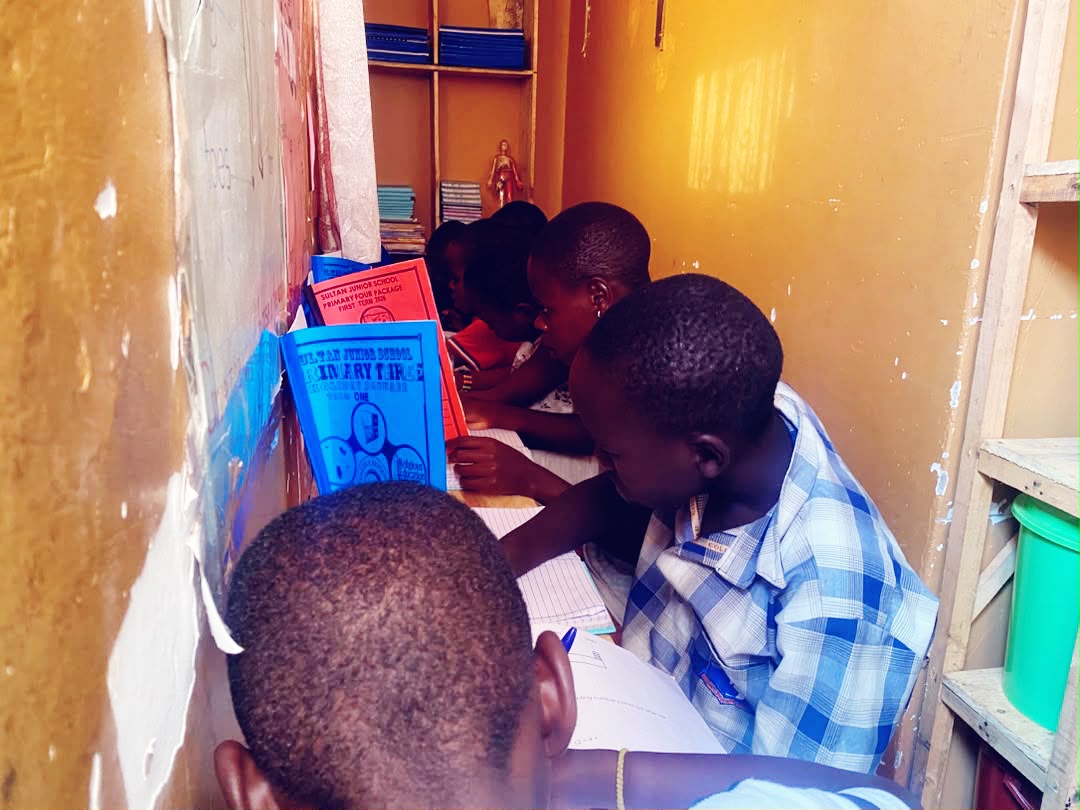
- Rehabilitation remains at the centre of our work with children, as we continue walking alongside them through a journey of healing, growth, and transformation. Every child who comes into our care carries a unique story, shaped by different experiences, challenges, and emotional wounds. Restoring trust, rebuilding confidence, teaching responsibility, and helping children develop healthy relationships requires patience, consistency, and daily support.
- Throughout this term, we have continued supporting he children through counselling, mentorship, and structured routines aimed at improving behaviour, emotional control, personal responsibility, and respectful communication. Although progress is visible, some challenges remain, especially among teenagers who sometimes experience disagreements and conflicts both at the shelter and at school. These moments provide important opportunities for guidance, mediation, and helping the children learn healthier ways of expressing their emotions and resolving conflicts.
- One of the greatest encouragements has been witnessing the children’s continued academic progress. Through regular revision, homework support, and individual attention, many children have gained confidence and improved their understanding in different subjects. Some children are still working to overcome educational gaps caused by interruptions in their earlier years, but with continued encouragement and support, they are steadily making progress.
- Currently, twelve children living at the shelter attend day school. Their daily routine begins early each morning as they prepare for school before sunrise. These routines have helped the children develop discipline, responsibility, and a sense of normal childhood structure. The younger children walk home each evening under supervision, while in the mornings they travel alongside other children from the surrounding community attending the same school.
- Two children who attend a school farther away from the shelter continue to require motorcycle transport each day. To improve their safety and reduce disruptions, a reliable rider was arranged to support their transportation. Previously, older boys in the program assisted with transporting the children and collecting supplies, but repeated accidents caused by youthful risk-taking often resulted in the motorcycle being taken by police, affecting program activities for extended periods.
-
Some of the most rewarding moments come through the small but powerful changes we see in the children. Younger learners who once struggled with basic communication are now confidently recognizing letters, reading simple words, and forming sentences. Other children who were once withdrawn are becoming more open, speaking English with greater confidence, asking questions, and participating actively in learning activities. These achievements represent more than academic improvement; they reflect growing confidence, self-worth, and hope.
The shelter’s small library and study area continue to provide a safe environment where children can learn at their own pace. During weekends, children spend time revising difficult lessons from the school week, allowing caregivers to identify individual learning needs and provide additional support without pressure or discouragement.
Nutrition also remains an important part of rehabilitation, especially because many children leave the shelter very early in the morning and return after long school hours. Breakfast has become an essential part of their daily routine, with maize harvested from our small garden providing valuable support. Bread is also purchased each morning so that children can have breakfast before school and carry some for their break time alongside the tea provided by their schools.
We have also continued improving the children’s living conditions. Work has begun on providing proper bedding at the boys’ shelter, with the goal of ensuring every child has their own comfortable sleeping space. Creating a safe and stable home environment remains a key part of rehabilitation, helping children experience the security, dignity, and care that every child deserves.
Although rehabilitation is a gradual process, every positive change reminds us of the importance of consistent love, structure, and support. Every improved behaviour, every academic achievement, every new skill learned, and every moment of confidence gained represents a step forward in the lives of these children.
Through the continued commitment of our caregivers, teachers, counsellors, and supporters, children who once faced uncertainty are being given the opportunity to heal, grow, and believe in a better future.
EDUCATION
This term began earlier than usual with the resumption of our school support programme, as we worked to ensure children were enrolled back in school in a timely manner. Due to the large number of children supported this term, enrolment was organized into three cohorts instead of the usual two.
We began with learners in the upper classes, particularly those in secondary school (O-Level and A-Level), followed by primary level learners, and concluded with lower primary. The first cohort focused on candidates in Senior Four, Senior Six, and Primary Seven, who were prioritized due to their national examinations scheduled for November. These learners required early reporting to school compared to others in lower classes.
The second cohort included the remaining secondary school learners, while the third cohort covered upper and lower primary learners as well as additional secondary school enrolments. This structured approach helped ensure that all children were gradually and efficiently resettled into their respective schools.
.jpg)
A number of children who resumed early were able to sit for beginning-of-term examinations, and a significant proportion performed very well. Follow-up visits to schools were conducted to assess their progress and support their academic needs. Learners who enrolled later have since completed mid-term examinations, and the results have been encouraging. Overall, the candidates preparing for national examinations continue to show steady improvement and are working hard to catch up with their classmates.
There remains an outstanding school fees balance of approximately 3,800 USD.
School visitation activities are scheduled for this coming weekend, particularly for secondary school learners, as most schools provide one or two visitation opportunities depending on their academic calendar.
University students resume their studies immediately after secondary and primary school learners begin their holidays. This staggered schedule has helped ease coordination and has made it more manageable to support a large number of learners across different education levels.
RESETTLEMENT.
Resettlement remains one of the most important long-term goals of the programme, as it represents a child's successful transition from life on the streets back into a stable family environment. Before any child is resettled, considerable time is invested in rehabilitation, family tracing, counseling, and assessing whether both the child and the family are prepared for reunification. Every resettlement is approached carefully to help ensure that it is safe, sustainable, and in the child's best interest.
Over the past few months, there has been a noticeable increase in the number of children expressing a genuine desire to return home. Many are now making this decision on their own after spending time in the programme and beginning to experience stability, routine, and personal growth. This has been an encouraging development, not only for children already in rehabilitation but also for those who are newly joining the street outreach programme, as they are able to see positive examples of successful reintegration.
Due to the demanding needs of the education and rehabilitation programmes, only a limited number of family follow-up visits have been conducted during this reporting period. Travelling to individual homes across different districts has become increasingly challenging because of time and transportation costs. To ensure families continue receiving support, a grouped follow-up approach has been introduced. Families living within the same district or surrounding areas are invited to meet at a central location on scheduled days, making it possible to monitor several children at once while reducing travel expenses.
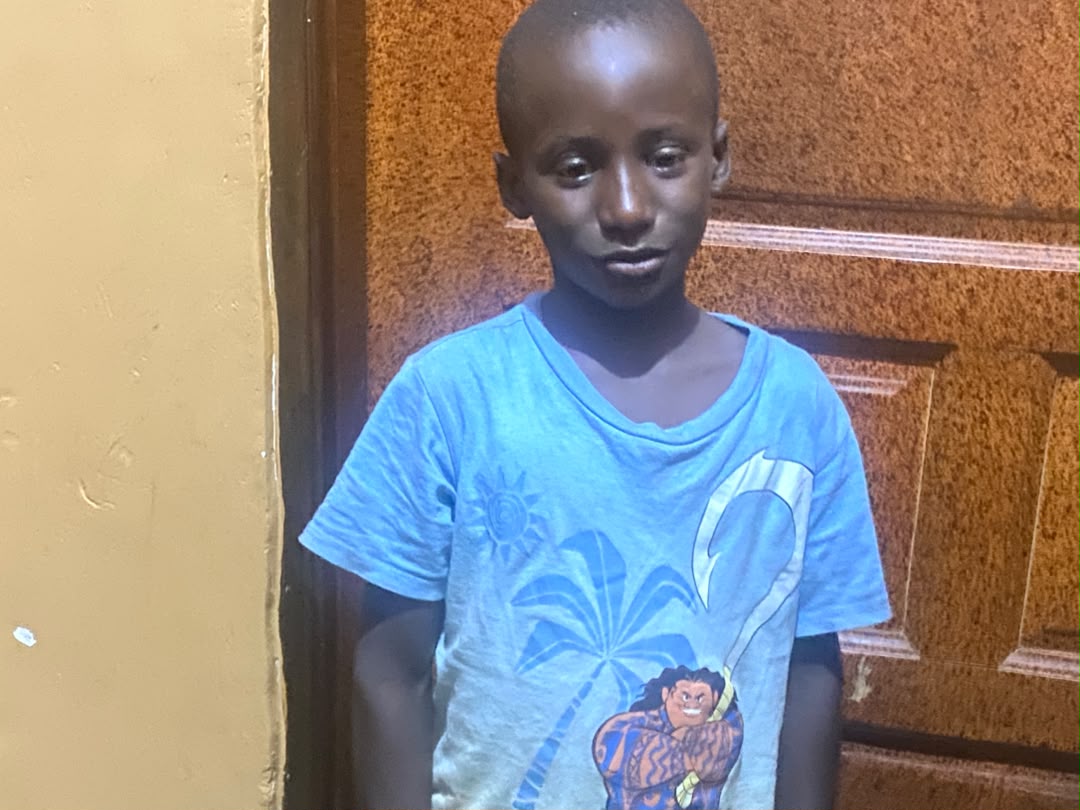
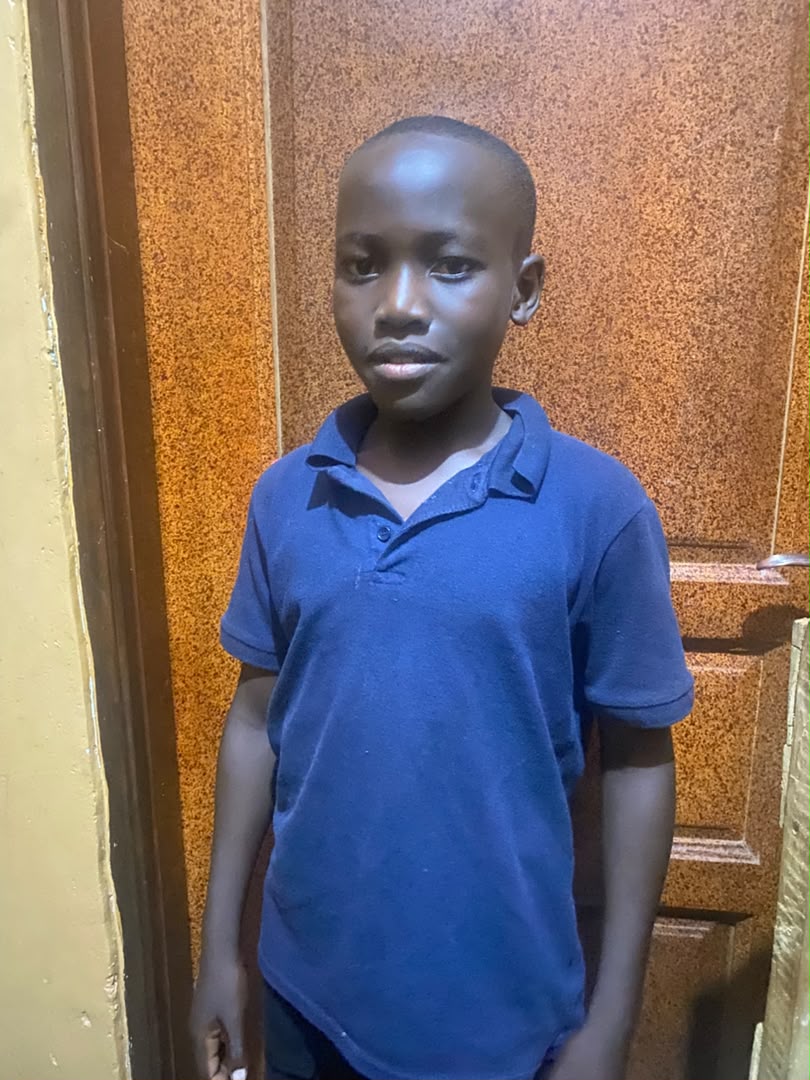
These gatherings have also provided an opportunity to deliver essential support directly to resettled children and their families, including scholastic materials, donated clothing, and other basic necessities that help ease their transition back into their communities.
During the month of June, two successful resettlements were completed involving Ibrahim and Azaru. Both boys had spent seven months at the shelter, where they participated in rehabilitation, education, and daily life-skills programmes. Throughout this period, their progress was carefully monitored through regular observation, counseling, and ongoing conversations about their future. After assessing both the boys' readiness and their family situations, it was determined that they were prepared to return home.
Although resettlement marks an important milestone, it is not the end of the journey. Continued follow-up remains essential to monitor each child's well-being, encourage school attendance, strengthen family relationships, and provide support whenever challenges arise. It is our hope that Ibrahim and Azaru will continue building on the progress they have made and that their successful reintegration will inspire other children who are still preparing for the same journey home.
PRAYER REQUESTS

- Hope and Shelter for Street Children Pray with us for provision of $4,000 to establish a safe sanctuary for street children. May every child receive protection, healing, love, and restoration.
- Wisdom in Restoration Pray for wisdom and guidance as we reunite children with their families and make decisions that protect their future.
- Faithful Stewardship Pray for integrity, unity, and responsibility as we manage resources entrusted to this ministry.
- Protection of Children Pray for safety, emotional healing, and strength for every child under our care
- Education Provision Pray for provision of the school fees this term of $7,870 and upcoming school fees, books, and learning materials.
- Sustainable Support Pray for faithful monthly partners who can help sustain our centres and long-term child care programs.