
SEMI ANNUAL
PROGRAMS
REPORT
Restoring Hope Through Our Programs
This Semi Annual Programs Report reflects not only the activities we have carried out, but also the lives that continue to be transformed through care, rehabilitation, education, mentorship, and a supportive family environment. Every small step forward represents courage, commitment, and the power of consistent love and guidance. Every child carries a story, a dream, and the potential to create a brighter future.
Rehabilitation Program Progress.
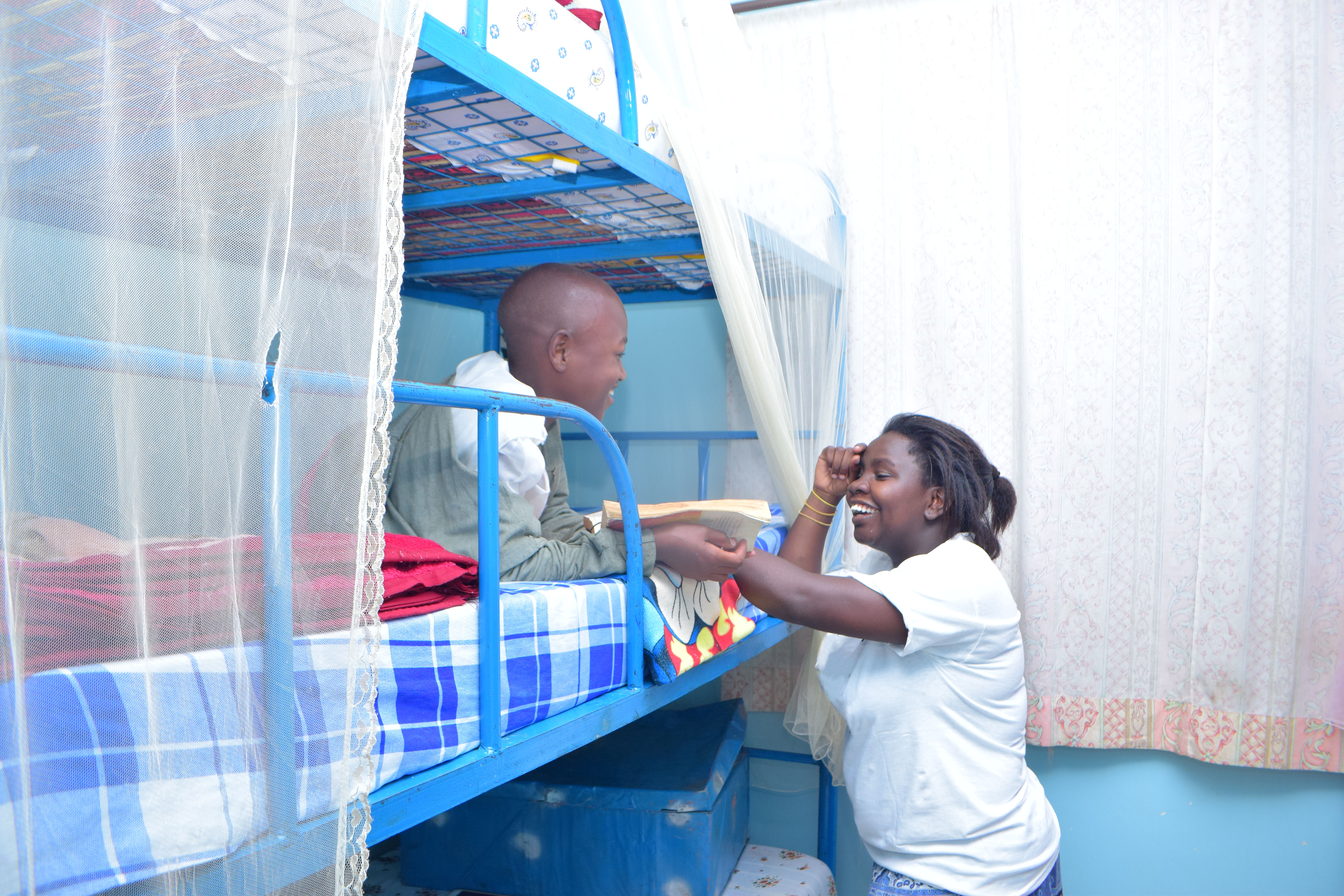
The children continue to make encouraging progress in their rehabilitation, education, and personal development. As more children attend school, the shelter has established structured daily routines that promote discipline, responsibility, and independence. Early morning preparation, supervised homework, evening study sessions, and consistent routines are helping the children adapt to a more organized way of life.
Significant improvements have been observed in the children's behavior and relationships. They are becoming more respectful, cooperative, and appreciative of one another. Through continuous guidance and counseling, they are learning to resolve conflicts peacefully, communicate better, share resources, and build healthy friendships. The boys have shown improvement in controlling their emotions, cooperating with others, and handling disagreements without violence. The girls continue to demonstrate responsibility through household duties, teamwork, meal preparation, and management of their personal belongings.
Daily responsibilities remain an important part of the rehabilitation process. Children are assigned tasks according to their age and abilities, helping them develop independence, accountability, teamwork, and a strong work ethic. The shelter continues to encourage a family-like environment where children support and care for one another.
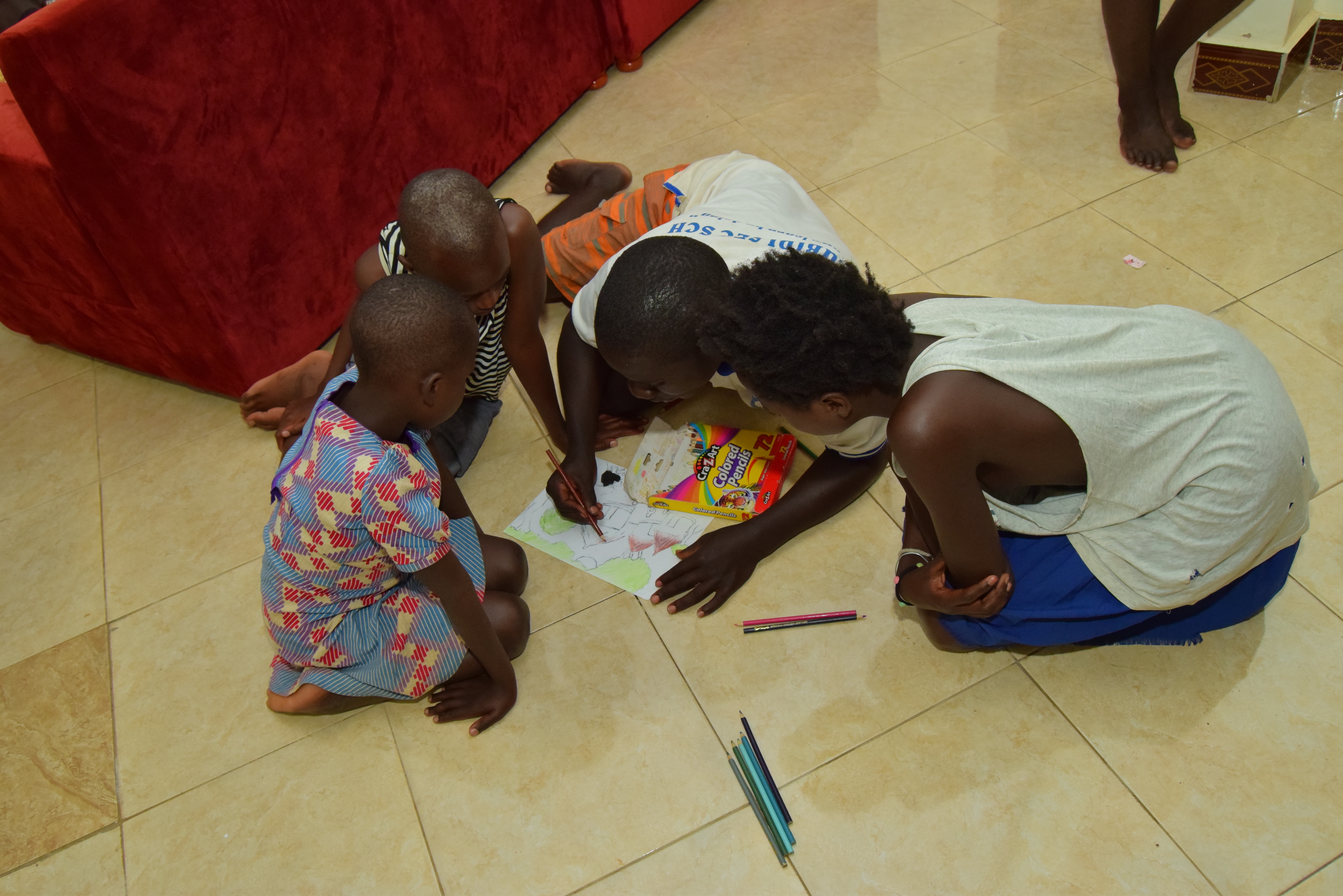
Education continues to play a major role in the children's transformation. The children remain engaged in their studies through regular school attendance, homework, holiday assignments, and supervised revision. Although some boys continue to experience challenges adjusting to structured learning due to their previous street experiences, they are making progress through consistent support, encouragement, and guidance.
Mentorship and counseling continue to strengthen the children's emotional and social development. Sessions with former street children who have successfully transformed their lives provide encouragement, practical advice, and positive examples. Monthly visits from a mentoring pastor also provide spiritual guidance, emotional support, and motivation, helping the children develop confidence, hope, self-worth, and positive goals for their future.
The shelter continues to provide individual care and support, including attention for a child living with epilepsy. The other children have developed greater understanding and empathy, learning how to support and care for one another.
Despite the progress made, challenges remain. Limited funding has required adjustments to some meals and snacks in order to support essential educational needs. The shelter also faces an urgent need for new bedding after a bedbug infestation damaged many mattresses, affecting the comfort and health of the children.
Overall, the children continue to grow socially, emotionally, academically, and spiritually. Through consistent care, education, mentorship, and guidance, they are developing the confidence, responsibility, and life skills needed for a safer and more successful future.
72+
Children Supported
15
Successfully Reintegrated
90%
Continued Progress
40+
Families Reached
Rehabilitation Outcomes
A snapshot of progress achieved through our rehabilitation programs.
STREET CHILDREN OUTREACH PROGRAMS
The street outreach programs continue to provide an important source of support, care, and guidance for street children despite the increasing challenges affecting operations. Throughout the six-month period, the programs have continued to create a safe environment where children can access food, hygiene support, counseling, medical assistance, and opportunities for personal transformation. Although frequent relocations, city developments, and increased restrictions have affected program activities, the team has remained committed to maintaining consistent engagement with the children.
The children continue to show encouraging progress in their participation, behavior, and personal development. Regular interaction through counseling, group activities, and mentorship has helped many boys become more open, cooperative, and willing to engage in positive change. Discussions around personal responsibility, decision-making, substance abuse, and future opportunities remain central to the program. Some children who previously struggled to participate due to drug use or unstable behavior have gradually shown improvement through continued support and guidance.
A major focus of the program has been restoring dignity and encouraging healthy personal habits among the children. Hygiene activities have become an important part of the outreach sessions, with children receiving opportunities to bathe, wash their clothes, cut their hair, trim their nails, and access clean clothing. These activities have become increasingly important as many children face harsh living conditions on the streets. Providing clean clothing and encouraging personal care has also helped reduce vulnerability, especially during periods when police operations have increased against young people in public spaces.
Counseling and mentorship continue to play a significant role in the rehabilitation process. The involvement of former street-connected children who have successfully changed their lives has provided encouragement and practical examples of hope. One former street child, Thomas, shared his personal journey with the boys, helping them understand that transformation is possible despite their current circumstances. These sessions continue to encourage children to think beyond street life and consider alternative opportunities for their future.
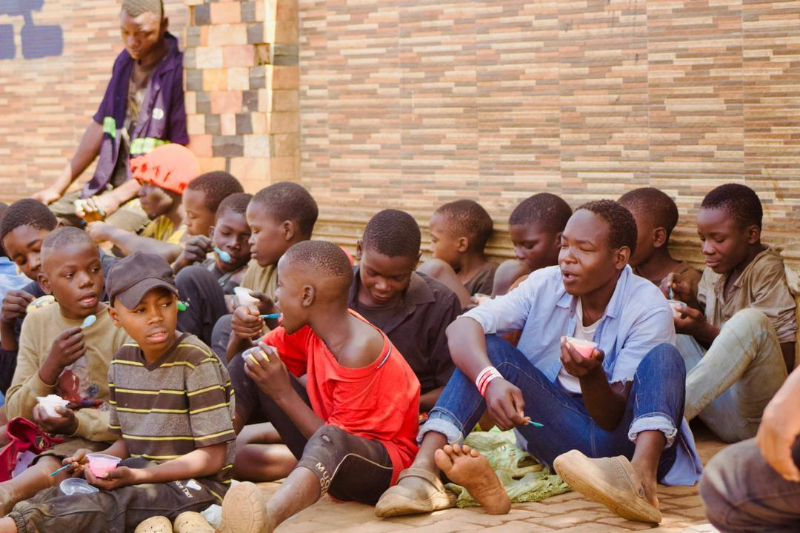
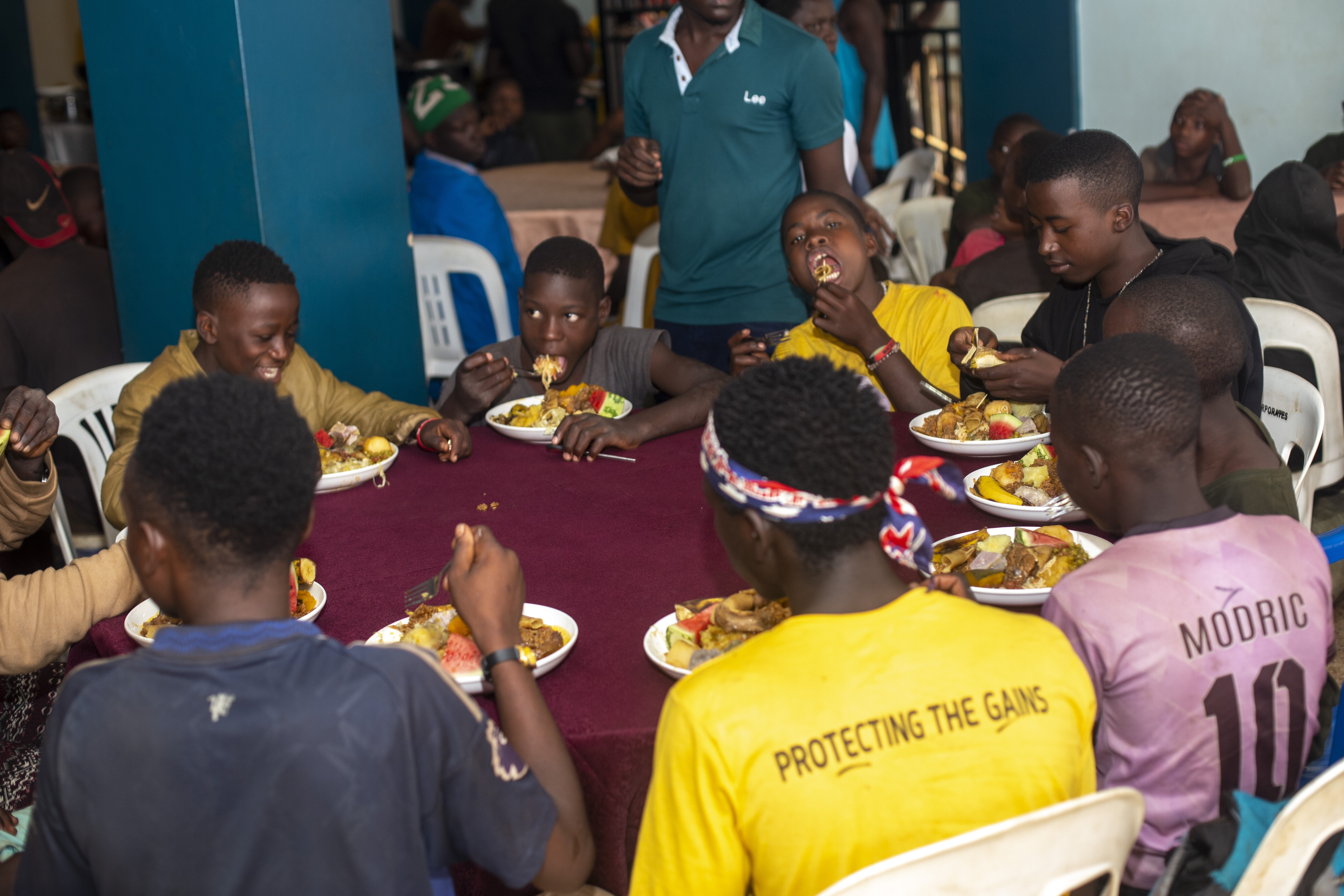
Food support remains one of the most important areas of assistance provided through the outreach programs. Despite rising food costs and reduced access to previous food sources, the program has continued to provide meals during outreach activities. Children are commonly provided with meals such as cassava and beans, maize flour with beans and cabbage, katogo, and porridge. Feeding has also provided an important opportunity for consistent engagement, as many children depend on the program as one of their most reliable sources of food.
The program has continued to respond to the changing needs of children affected by displacement and city developments. Ongoing demolitions and changes in urban spaces have forced many street children to move away from their previous sleeping areas and gathering points. As a result, locating and mobilizing children has become more difficult, requiring increased movement, transportation support, and flexibility in choosing program locations. Temporary venues such as tents, cinema halls, community spaces, and open fields have been used to ensure activities continue.
Majors
• Despite these challenges, the program has recorded positive developments in reintegration efforts. Some children who were brought to Kampala from rural areas for informal work have been supported to return home through coordination with families and local authorities. Eight boys were successfully assisted to return home, while continued follow-up is being conducted for others who remain vulnerable to returning to street life. The program has also helped connect some children with opportunities in sports, music, and practical skills development through partnerships with other organizations.
• Health support remains a critical component of the outreach work. Many children continue to experience health challenges, including malaria, flu, stomach problems, ear infections, and injuries. Medical assistance has been provided whenever possible, including treatment for a child with an infected leg who was monitored during recovery. However, responding to medical emergencies remains challenging due to limited immediate funds and the need for referral to larger hospitals in some cases.
• Substance abuse continues to be one of the greatest challenges affecting the children’s progress. Aviation fuel inhalation remains common among some boys and affects their ability to participate fully in activities. Some children arrive at programs physically weak and require rest and close attention before they can engage. Counseling continues to address addiction, decision-making, and the long-term effects of substance use. Encouragingly, there have been signs of reduced public drug use among some regular participants, although continued support remains necessary.
• The increasing number of arrests and enforcement operations has also affected the children. Many street-connected children have become more vulnerable to arrest, particularly those found in areas associated with alcohol, drug use, or other risky activities. Some boys have been detained for extended periods, creating additional concerns around child protection and access to justice. The program continues to monitor these situations and provide support where possible while encouraging children to avoid environments that increase their vulnerability.
Continued Progress
The increasing number of arrests and enforcement operations has also affected the children. Many street-connected children have become more vulnerable to arrest, particularly those found in areas associated with alcohol, drug use, or other risky activities. Some boys have been detained for extended periods, creating additional concerns around child protection and access to justice. The program continues to monitor these situations and provide support where possible while encouraging children to avoid environments that increase their vulnerability.
The program has also observed an increase in younger children joining street life, particularly boys between 13 and 15 years old. Many are influenced by older street-connected youth and are attracted by dreams of becoming musicians, joining performance groups, or finding opportunities in the city. This trend highlights the continued need for early intervention, family support, and stronger community-based prevention programs.
Despite the many challenges, the Street Kids Outreach Programs continue to demonstrate meaningful impact. Through consistent outreach, feeding support, hygiene assistance, counseling, mentorship, medical care, and reintegration efforts, many children are receiving the support needed to move toward healthier and safer futures.
Overall, the children continue to show resilience and gradual transformation. While the environment remains difficult due to displacement, substance abuse, rising costs, and protection concerns, the program continues to provide stability, hope, and opportunities for change. Through continued commitment, partnerships, and support, the outreach programs remain an important pathway toward rehabilitation and reintegration for street-connected children.
A line graph representing Six Months Street Children Program Impact Report
Program Indicators
Attendance: 96%
Feeding: 98%
Counselling: 60%
Rescued to Shelters: 23% Growth / Change: 45%
Showering & Washing: 99%
Ready for Family Reintegration: 35%
Sick Children Supported (Health): 33%
Attendance: 96%
Feeding: 98%
Counselling: 60%
Rescued to Shelters: 23% Growth / Change: 45%
Showering & Washing: 99%
Ready for Family Reintegration: 35%
Sick Children Supported (Health): 33%
Education Progress Information
Over the past six months, education support has continued to provide opportunities for children through school fees assistance, vocational training, university support, and community-based education programs.
The program has supported primary and secondary students, resettled children returning to school, university students, and vocational training boys. Boys represent the larger number of beneficiaries, followed by girls receiving continued educational support.
Education Program Images
Insert Image 1 Here
Insert Image 2 Here